Fire
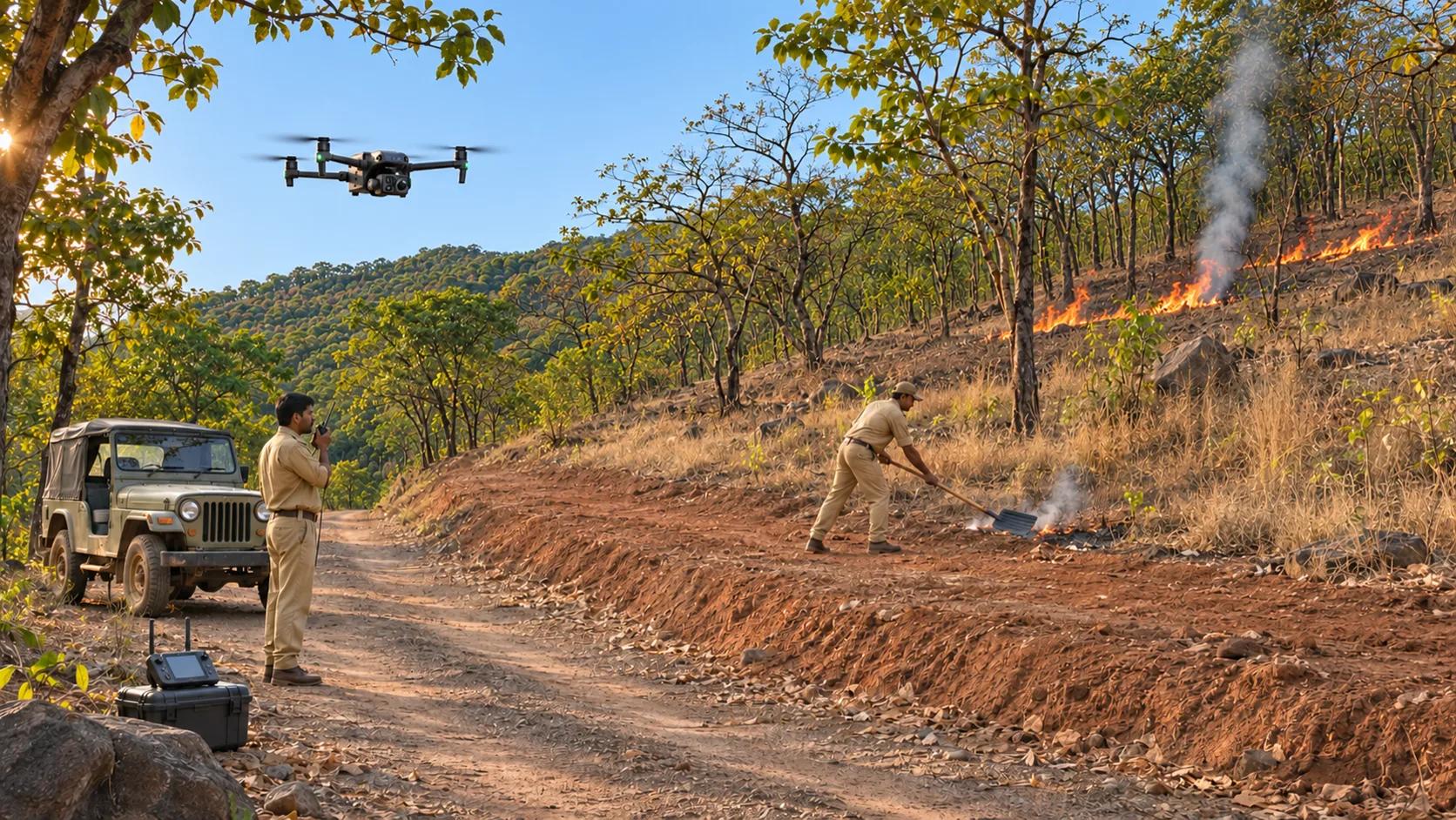
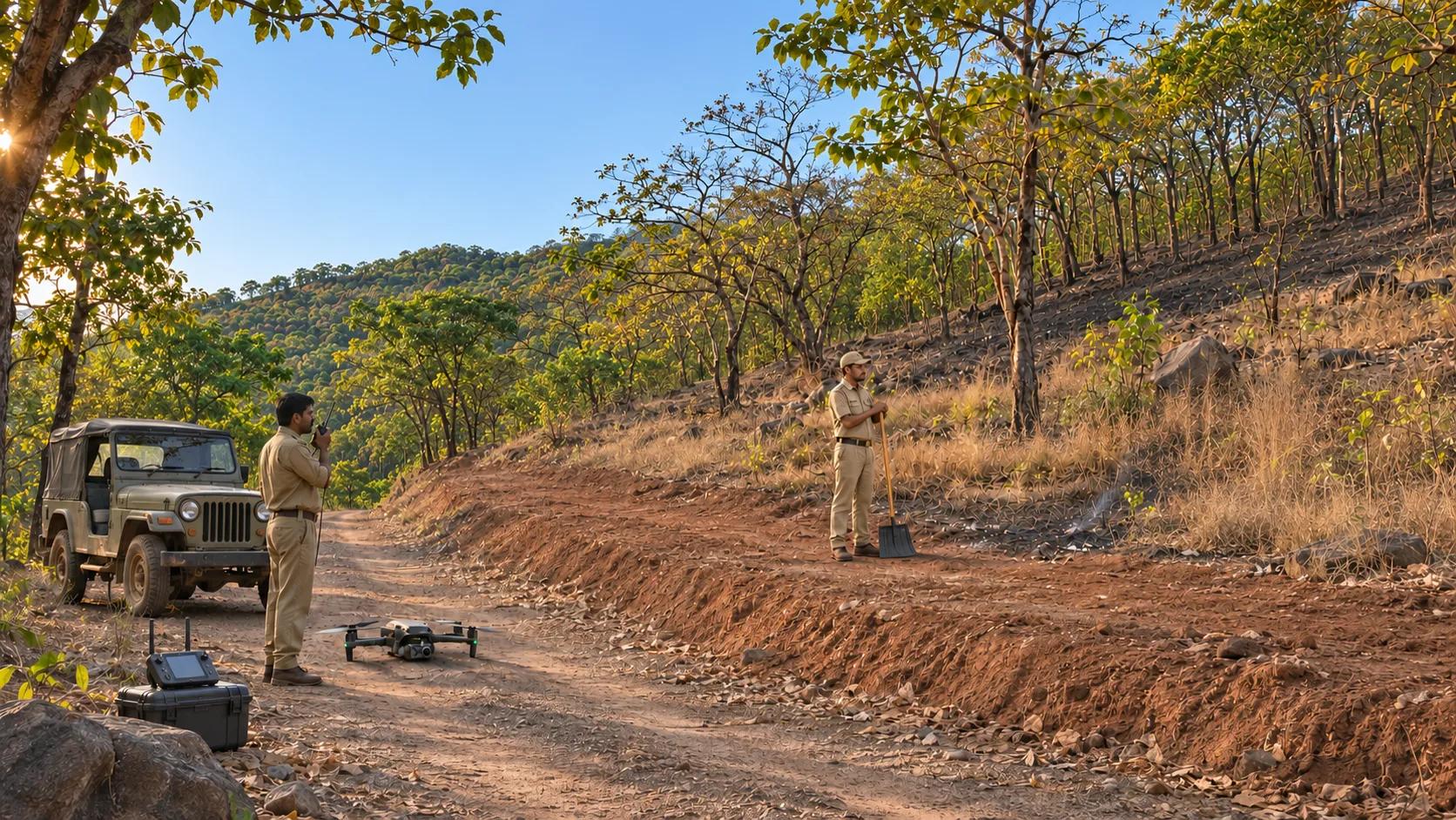
Record suspected hotspots for responsible team review.
What you receive
- Patrol/observation records
- Time/location-linked incident report
- Visible safety observation and corrective-action list
- Controlled-access evidence and retention log
When you need it
I need site observation, safety records or inventory checks
Who it is for
- Industrial sites and logistics parks
- Utilities and mines
- Ports and campus operators
- Authorised security contractors
Scope and options
Thermal hotspot and fire observation
Detection is condition-dependent and is not fire suppression.
Security patrols are observation missions with a defined perimeter, detection purpose and human response owner.
Site-safety review flags visible conditions for follow-up; it is not the employer's statutory safety inspection.
Thermal hotspot observation is a sensor finding that needs the responsible site team's escalation process.
Perimeter and asset patrols
Observe agreed boundaries and assets.
The contract must define response ownership; surveillance does not guarantee incident prevention.
Visual site-safety review
Record observable hazards for the site safety team.
Visual observations support the site safety team; statutory safety inspections and employer duties remain with the responsible parties.
Tethered or dock-assisted monitoring
Support repeat observation using a specifically reviewed system.
Automation does not itself grant night or BVLOS permission.
Thermal hotspot and fire observation
Record suspected hotspots for responsible team review.
Detection is condition-dependent and is not fire suppression.
Warehouse inventory counting
Read accessible rack/pallet labels for inventory reconciliation.
This is a distinct site-operations add-on, not security surveillance. The indoor vendor and system integration pass through a separate gate.
Terms explained
- Perimeter patrol
- Authorised observation of a defined boundary or asset area.
- Site-safety observation
- Visible conditions flagged for review by the responsible safety team.
- Thermal hotspot
- Location of unusual heat that may justify further inspection; it is not a diagnosis by itself.
Questions
Does a dock make round-the-clock autonomous flight automatically legal?
Operating permissions, airspace, pilot/operator responsibilities and site controls still need to be established for the actual deployment.
Who acts after an incident is detected?
The named site/security response owner. The service agreement must define notification, escalation and response boundaries; observation alone is not intervention.
Can this replace our safety officer?
Visible observations support the responsible safety team and do not replace statutory inspections or employer obligations.
Is warehouse inventory included in a security patrol?
It is a label-reading and inventory-reconciliation workflow, defined in the agreed scope, with its own vendor, privacy, safety and integration checks.
Method and limits
Specify the observation boundary, purpose and responsible response team.
Treat automated detections as reviewable observations, not automatic enforcement.
Confirm lawful operating arrangements for any tethered, docked or repeat-flight system.
Sources
- The Drone Rules, 2021 — G.S.R. 589(E), Gazette of India
Ministry of Civil Aviation / Directorate General of Civil Aviation
- Digital Personal Data Protection Rules 2025
MeitY / Gazette of India
- Infrastructure monitoring and disaster-response context
PIB / MoCA
- Drone-Enabled Practices in Modern Warehouse Management: A Comprehensive Review
Drones (MDPI) — peer-reviewed review