Transmission line inspection
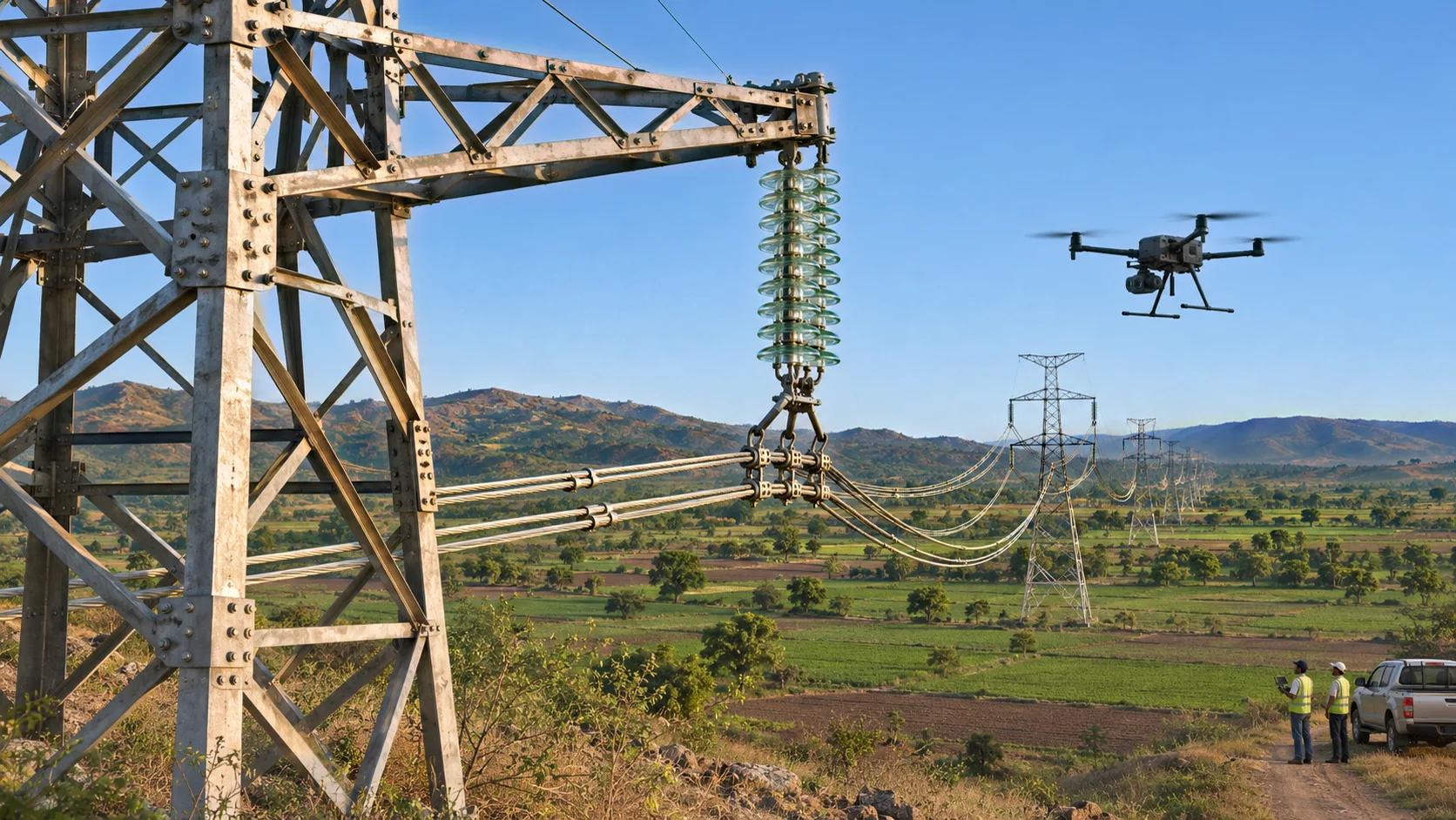
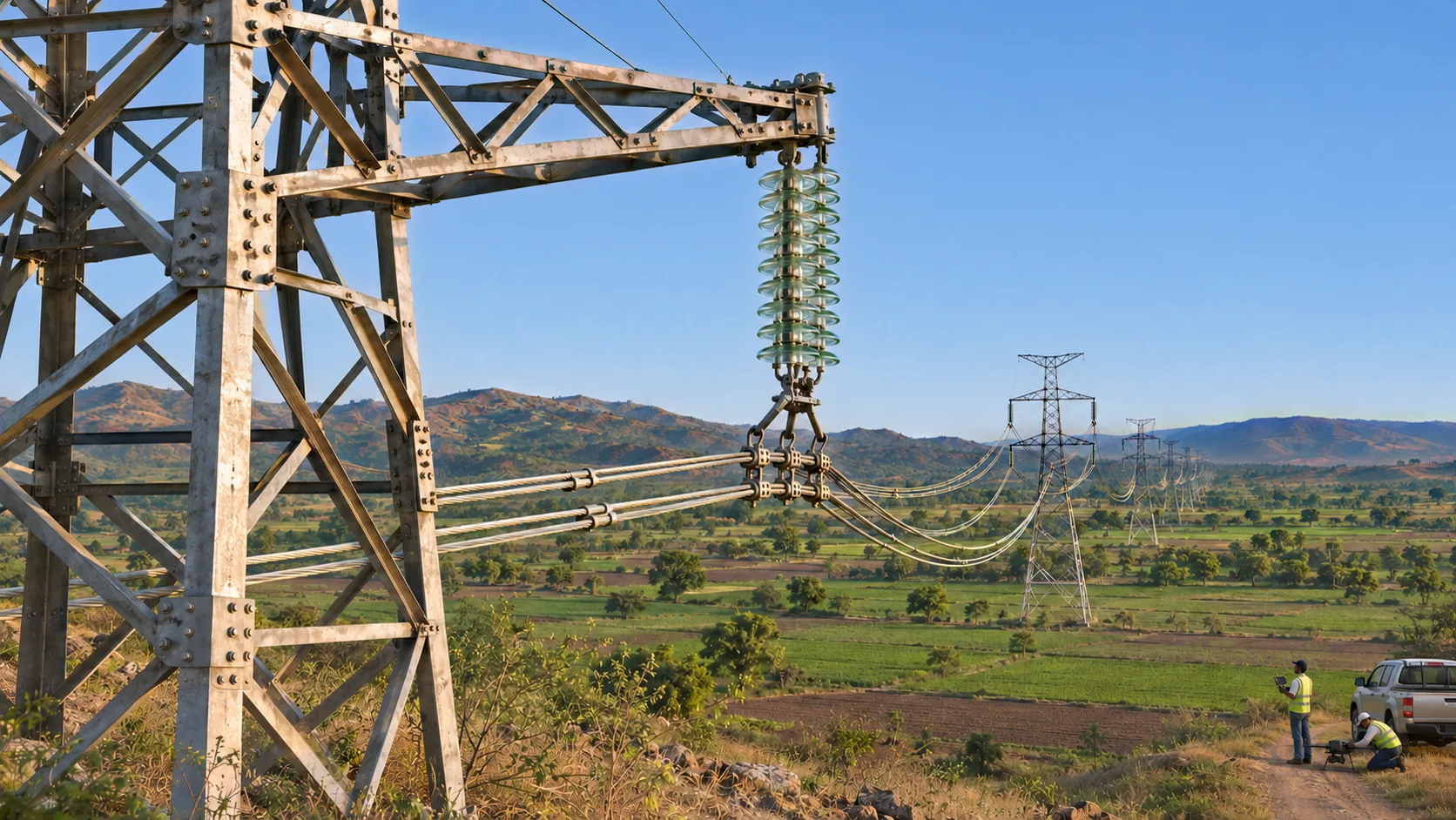
Inspect power assets and measure their separation from vegetation and surrounding structures.
What you receive
- Tower/span defect register
- Visible/thermal imagery and selected UV evidence
- LiDAR cloud and clearance exceptions
- Maintenance worklist and inspection assumptions
When you need it
I need powerline defects or vegetation clearances checked
Who it is for
- Transmission and distribution utilities
- Power EPC
- Vegetation-management contractors
- Industrial power networks
Scope and options
LiDAR measures conductor, structure and vegetation geometry; visual, thermal and UV-corona sensing address different defect mechanisms.
Clearance values are a survey-state measurement; operating sag and temperature cases belong in the engineering assessment.
Span/tower asset referencing makes repeat inspection and maintenance prioritisation traceable.
Visual and thermal line inspection
Observe conductors, fittings, insulation and heat anomalies.
Utility operating controls and electrical stand-off requirements apply.
LiDAR vegetation and asset clearance
Measure separation between mapped conductors and nearby objects.
State the observed condition and any sag/loading assumptions.
UV-corona inspection
Use a dedicated UV sensor to observe relevant discharge indications.
RGB and ordinary thermal cameras do not supply UV-corona measurements.
Substation and electrical thermography
Screen accessible electrical equipment for abnormal heat patterns.
Competent electrical access and suitable loading are required.
Pilot-rope stringing support
Place a lightweight pilot rope for a utility-controlled installation process.
Separate specialist partner and configuration gate; not a promise to lift heavy conductors.
Terms explained
- Clearance corridor
- Measured space between conductors and vegetation, terrain or structures.
- Thermal / visual inspection
- Complementary imaging used to record visible and heat-related anomalies.
- UV corona
- Ultraviolet detection of corona activity using a dedicated sensor and suitable conditions.
Questions
Does LiDAR identify every electrical fault?
LiDAR measures geometry. Thermal, visual, UV and electrical tests address different fault mechanisms.
Are measured clearances valid under every load and temperature?
Measured clearances describe the survey condition. Engineering checks must also account for the relevant conductor sag, loading and temperature cases.
Is corona inspection part of a thermal survey?
Only when a suitable UV-corona system is explicitly included. Thermal imagery alone is not that test.
Can you inspect energised assets?
Only where the utility-approved method, equipment and safety controls permit. Site review determines whether shutdown or other restrictions are needed.
Method and limits
Use visible, thermal, LiDAR and optional UV methods for distinct inspection questions.
Tag observations by tower/span and record the relevant operating conditions.
Separate measured clearances from engineering checks under other loading conditions.
Sources
- The Drone Rules, 2021 — G.S.R. 589(E), Gazette of India
Ministry of Civil Aviation / Directorate General of Civil Aviation
- Geospatial guidelines and entity self-certification conditions
Department of Science and Technology
- Specific tender: drone patrolling for power-line crossing and jumper-clearance measurement
POWERGRID